

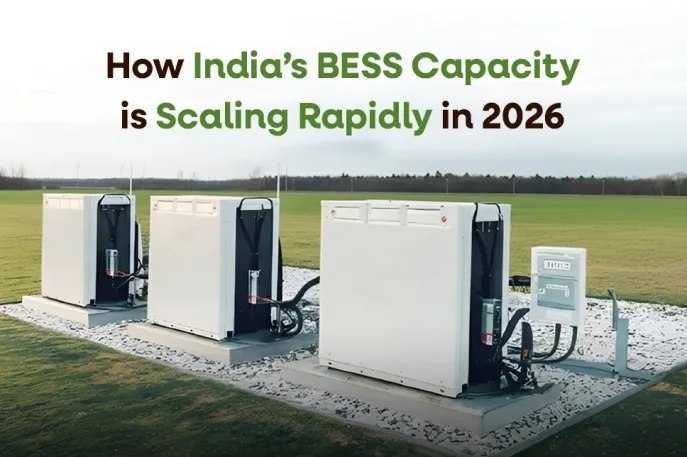
India has sent a strong policy signal to the energy market.
The government has mandated 20% domestic content requirement for all Battery Energy Storage System (BESS) projects.
At first glance, this may look like just another regulatory update.
But in reality, it could mark the beginning of India’s battery manufacturing expansion phase.
Let’s understand why this is important.
What Is BESS?
BESS stands for Battery Energy Storage System.
In simple terms, it is a large-scale battery setup that stores electricity and supplies it when needed.
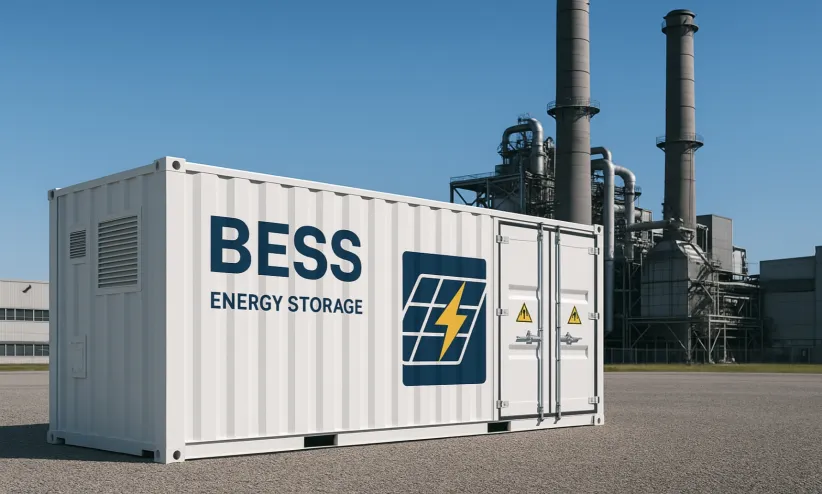
Think of it as a giant power bank for the electricity grid.
It helps to:
- Store extra solar and wind energy
- Supply electricity during peak demand
- Provide backup during outages
- Balance renewable energy fluctuations
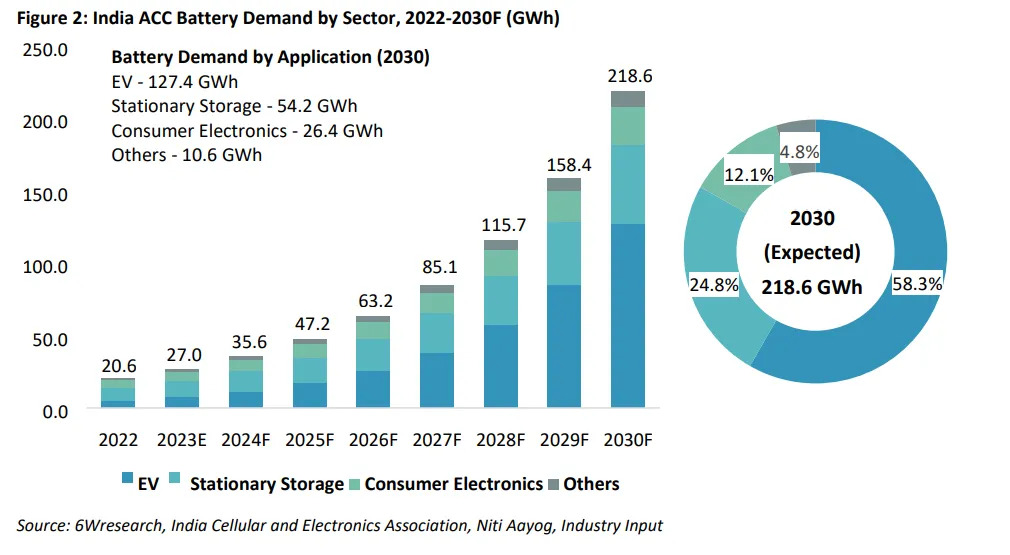
As India increases renewable energy capacity, storage becomes critical. Solar works in the day. Wind depends on weather. But electricity demand continues 24/7.
That gap is filled by BESS.
The Big Policy Change: 20% Domestic Content Rule
India has now made it mandatory that at least 20% of components used in BESS projects must be manufactured domestically.
This policy does four major things:
- Reduces import dependency
- Encourages local manufacturing
- Creates order visibility for Indian companies
- Attracts fresh investments into the ecosystem
This is not just about batteries. It is about building a self-reliant energy supply chain.
Why This Policy Matters
1. Pushes Local Over Imports
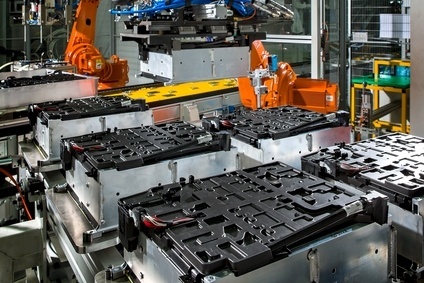
India currently imports a significant portion of battery components.
The new mandate shifts focus toward domestic manufacturers and reduces strategic risk from global supply chains.
2. Guaranteed Demand Pipeline
When the government creates a domestic requirement, Indian companies gain:
- Better revenue predictability
- Stronger order visibility
- Higher confidence to expand capacity
Policy certainty often leads to capital expenditure growth.

3. Scale + Innovation = Cost Reduction
As domestic production increases:
- Manufacturing costs may decline
- R&D investments increase
- Technology improves
- Competition drives efficiency
Over time, India can become globally competitive in battery production.
4. More Certainty = More Investment
Investors prefer clarity.
A clear manufacturing roadmap combined with renewable targets makes energy storage an attractive sector for long-term capital.
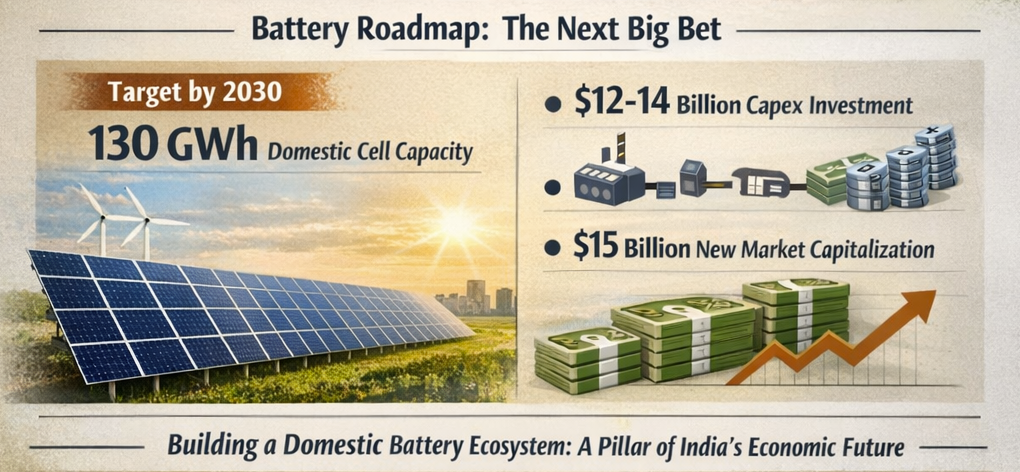
Capacity Announcements Are Stacking Up
Several companies have already announced plans to build or expand battery and energy storage capacity:
- Godawari Power & Ispat – 40 GWh announced
- Vikram Solar – 30 GWh capacity plans
- Ola Electric
- Jupiter Wagons
- ACME Solar Holdings
- GP Eco Solutions India
- Prostarm Info Systems
- Cummins India
- SPML Infra
When policy support meets real capacity commitments, the sector starts building structural momentum.
Policy + Capacity = Growth Theme.
Why Energy Storage Is the Next Big Thing
India has ambitious renewable energy targets.
But renewable energy without storage creates grid imbalance.
Energy storage enables:
- Round-the-clock renewable power
- Grid stability
- Peak load management
- Lower fossil fuel dependence
Globally, energy storage markets are expanding rapidly. India is positioning itself early in the cycle.
Investment Perspective: Early-Stage Structural Opportunity?
We are still in the early phase of India’s battery manufacturing journey.

The combination looks compelling:
- Strong government backing
- Clear domestic manufacturing push
- Real capacity announcements
- Renewable energy expansion
- Import substitution opportunity
This is not just a short-term news event. It could evolve into a multi-year structural theme.
Final Takeaway
India’s 20% domestic content mandate for BESS projects is a major signal.
Energy storage is becoming central to India’s clean energy transition.
Domestic manufacturing is getting policy backing.
Industry players are committing serious capacity.
India’s battery manufacturing moment may just be beginning.
Track this space closely.