

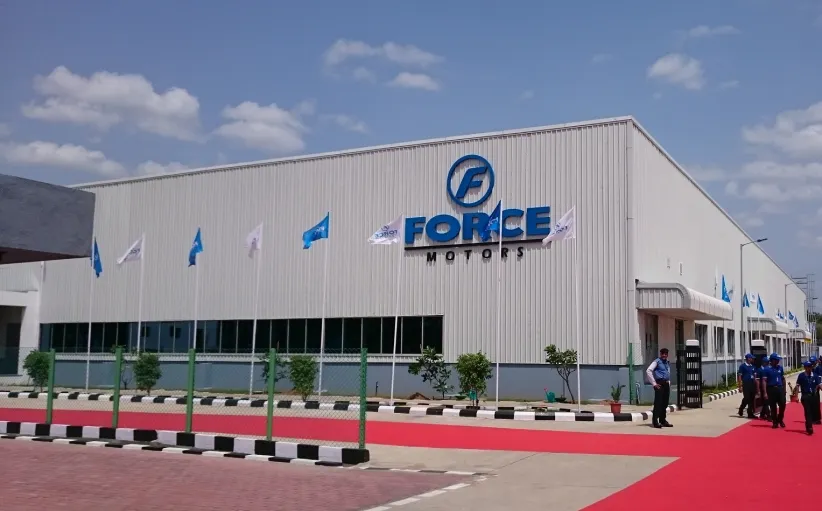
For years, Force Motors was an overlooked auto player.
Strong products. Solid brand recall in certain segments.
But weak economics.
Factories were built ahead of demand.
Assets stayed underutilised.
Margins were volatile.
Investors stayed away.
But something has changed.
The real question now is — is this just a good phase, or a structural turnaround?
Let’s break it down.
The Old Force Motors: What Went Wrong?
Earlier, the company faced multiple challenges:
- Built capacity ahead of demand
- Idle manufacturing assets
- Inconsistent margins
- Poor operating leverage
- Strong products but weak profitability
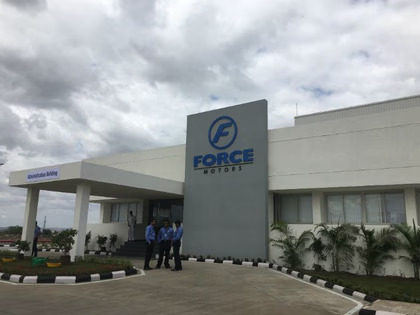
In short, revenue growth didn’t translate into strong earnings.
That’s why the market never gave it premium valuations.
What Changed?
Now comes the interesting part.
Recent developments suggest smarter growth — not just faster growth.
1️⃣ Better Product Mix
The company is now focusing more on premium and higher-margin vehicles instead of pure volume expansion.
Higher-value vehicles = Better contribution per unit.
2️⃣ Factory Utilisation Improving
Plants that were earlier underutilised are now running at healthier levels.
When fixed costs get spread over higher volumes, margins expand.
That’s operating leverage finally working.
3️⃣ Profitability Per Vehicle Rising
Each new vehicle sold is now more profitable compared to earlier years.
This shift from “volume chasing” to “margin focus” is a big structural improvement.
The 4 Platforms That Matter
If you’re tracking the company, these four segments are critical.

🚐 1. Traveller – The Backbone
The Traveller platform remains steady.
- Ambulances
- School buses
- Staff transport
It provides consistent base demand and revenue stability.
🚐 2. Urbania – The Inflection Point
Urbania could be the real growth engine.
- Premium positioning
- Better margins
- Growing acceptance
If Urbania scales meaningfully, it could significantly improve profitability.
This is the platform investors are watching closely.


🛡 3. Defence Segment – High Margin, Lumpy
Defence orders typically offer:
- Strong margins
- Large ticket sizes
But the challenge?
Order flow is unpredictable.
If defence revenue becomes more consistent, earnings visibility improves dramatically.
⚙ 4. Engine Business – The Quiet Stabiliser
The engine segment:
- Less cyclical
- More predictable
- Adds steady revenue base
It reduces overall business volatility.

Key Questions Investors Should Ask
This comeback story depends on a few crucial factors:
- Can Urbania scale to 20–25% of total volumes?
- Will defence orders become predictable?
- Can margins sustain as volumes grow?
- Is this structural improvement or just favourable auto cycle?
These questions will determine long-term valuation re-rating.
Why This Story Is Interesting
Turnaround stories are powerful when:
- Operating leverage kicks in
- Product mix improves
- Fixed costs get absorbed
- Earnings grow faster than revenue
Force Motors seems to be entering that phase.
But sustainability is key.
Investment Perspective
The company is no longer just a niche commercial vehicle player.
It is:
- Improving profitability
- Leveraging premium positioning
- Benefiting from better capacity utilisation
- Gaining from defence and specialised segments
If margins hold and premium mix rises, this could be more than just a short-term cycle.
Final Takeaway
From overlooked to potentially overperforming.
Force Motors’ comeback isn’t just about higher sales.
It’s about smarter growth, better margins, and improved operating leverage.
Now you know what to watch:
Urbania scaling
Defence consistency
Margin sustainability
Operating leverage
Time will tell whether this is structural or cyclical.
But the market is finally paying attention.