

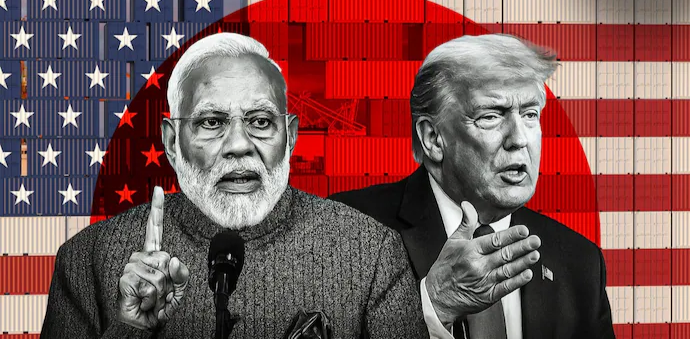
A sudden tariff move can do more than shift prices — it can disrupt entire trade corridors.
Former U.S. President Donald Trump has announced a fresh 25% tariff on countries trading with Iran, effective immediately and without a grace period.
The move has sent shockwaves across global trade networks — and India is directly exposed.
India’s total bilateral trade with Iran stands at approximately $1.68 billion (₹14,000–15,000 crore). While not massive in macro terms, the sectoral concentration makes this a high-impact development.
India–Iran Trade: The Numbers That Matter
India exports roughly $1.24 billion worth of goods to Iran annually.
Key export categories include:
- Basmati rice
- Tea
- Sugar
- Pharmaceuticals
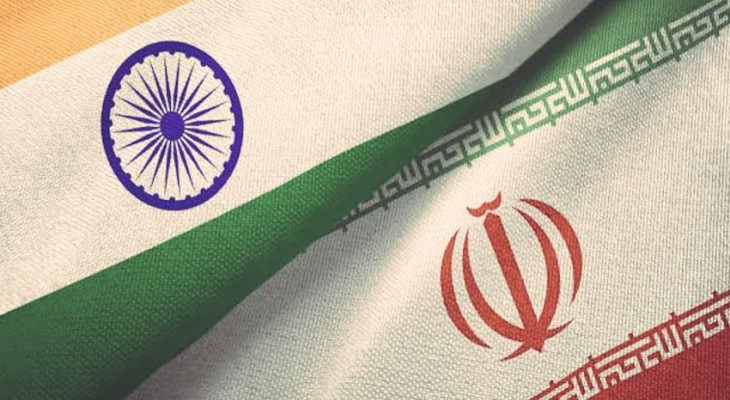
Imports from Iran have already been declining, down nearly 29% year-on-year in FY25. But exports — especially agricultural shipments — are where the immediate pressure lies.
And that pressure is already visible.
The Rice Sector Crisis
The biggest immediate casualty is the basmati rice industry.
According to the Indian Rice Exporters Federation, basmati prices have fallen by ₹5–8 per kg following the announcement. Trade instability, payment uncertainty, and sanctions risk are freezing transactions.
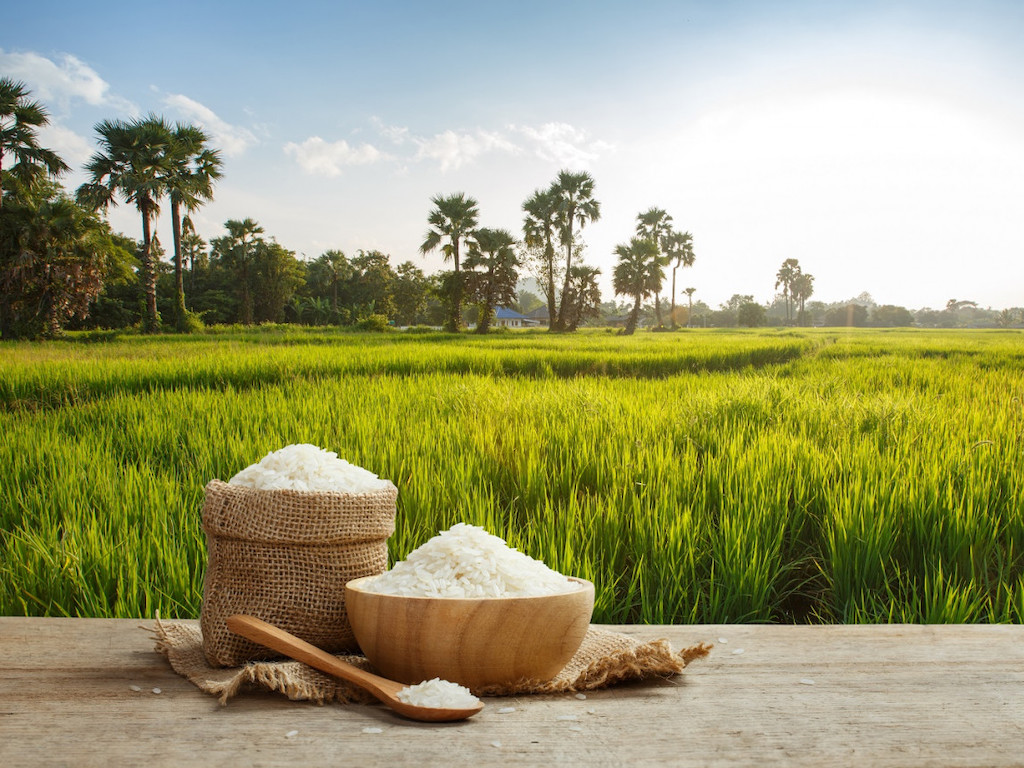
Iran has historically been one of the largest buyers of Indian basmati. If Iranian importers face financial or sanction-related constraints, shipments could stall.
For FY26 alone, nearly $468 million worth of exports to Iran are reportedly at risk.
This is not just about tariffs.
It’s about payment channels, trade financing, and geopolitical friction.
Why the Market Isn’t Panicking (Yet)
Interestingly, major rice exporters such as KRBL Limited and LT Foods showed relative resilience in the market despite the news.
Why?
Because investors understand two things:
- Iran is important — but not the only buyer.
- Indian exporters are already pivoting to alternative markets.
The advisory from trade bodies urges exporters to temporarily halt shipments to Iran and aggressively redirect supply to West Asia, Africa, and Europe.
In global agriculture, demand rarely disappears — it relocates.
The Bigger Picture: Trade Diversification Is Now Mandatory
This development reinforces a larger trend.
Indian exporters can no longer depend heavily on politically sensitive markets. Sanctions, tariffs, and currency restrictions can disrupt flows overnight.
The winners in this environment will be:
- Companies with diversified export destinations
- Strong balance sheets to absorb short-term shocks
- Access to flexible logistics and trade financing
The losers will be concentrated exporters with narrow geographic exposure.
What Happens Next?
Several scenarios could unfold:
- Temporary trade freeze, followed by negotiated adjustments
- Increased use of alternative payment mechanisms
- Export redirection to non-sanctioned regions
- Further geopolitical escalation impacting more sectors
For now, the rice sector faces the most immediate volatility.
But the broader message is clear:
Geopolitical risk is no longer theoretical — it directly impacts earnings visibility.
Investor Takeaway
Short-term:
- Expect pricing pressure in basmati-related stocks.
- Watch export volume guidance in upcoming earnings.

Medium-term:
- Monitor how effectively companies diversify markets.
- Track policy clarity around sanctions and trade compliance.
Long-term:
India’s agricultural exports remain structurally strong. Demand for basmati is global, not limited to one geography.
This tariff shock is disruptive — but not necessarily destructive.
The real question is execution speed.
In global trade, agility wins.