

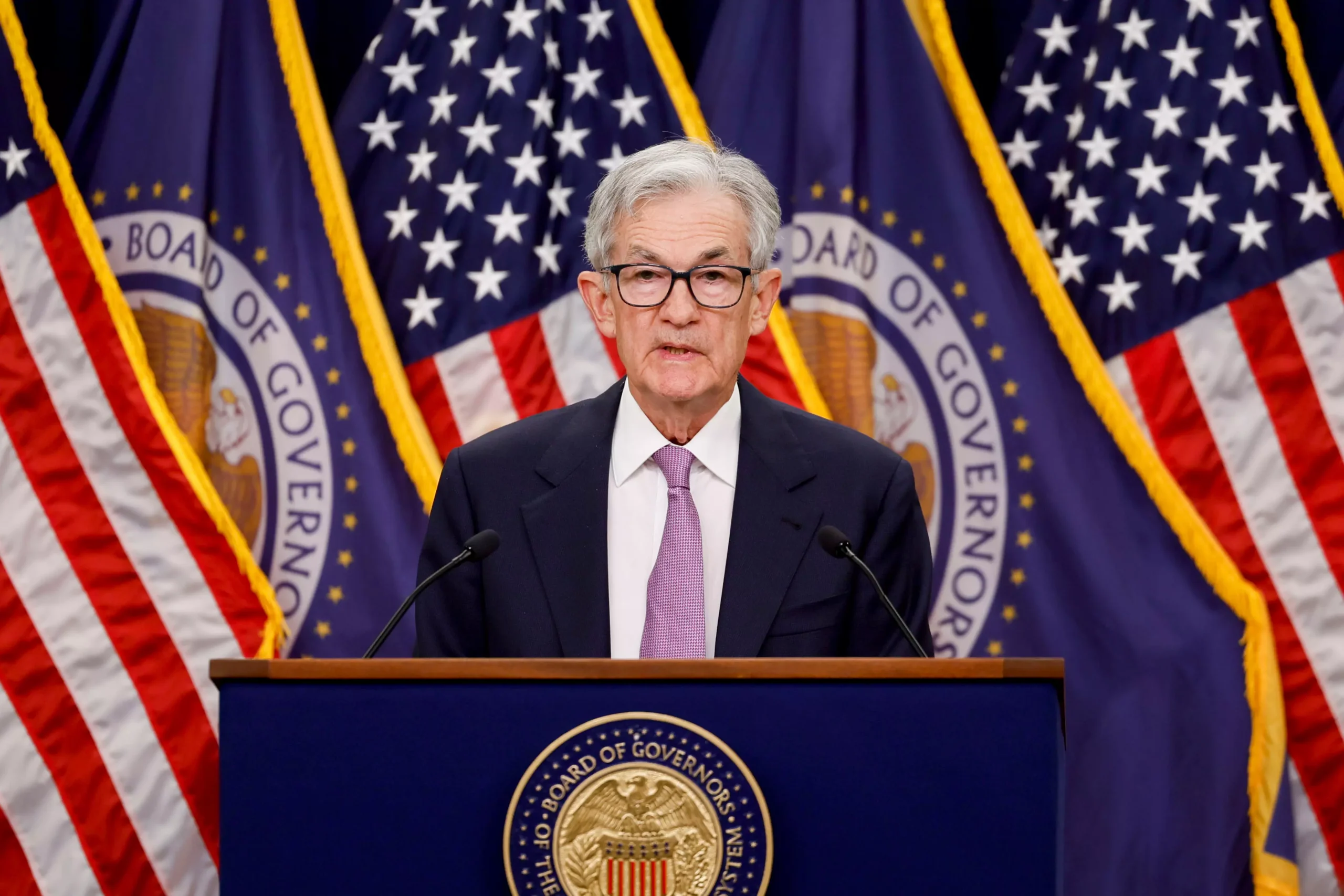
For more than a century, the Federal Reserve has operated with a critical principle: independence from political pressure.
Now, that principle appears to be under strain.
Federal prosecutors have reportedly opened a criminal investigation into Jerome Powell following a recent interest rate decision. Whether the investigation results in charges or not, the signal to markets is already loud.
This is not just about one individual.
It’s about the future of central bank independence.
Why Central Bank Independence Matters
Since its creation in 1913, the Federal Reserve has set monetary policy based on economic data — not election cycles.

Interest rates influence:
- Inflation
- Employment
- Asset prices
- Government borrowing costs
- Currency stability
If markets begin to believe that rate decisions are politically influenced, the credibility of U.S. monetary policy weakens.
And credibility is everything in central banking.
The Core Conflict: Data vs Politics
At the heart of this situation is a tension that has existed for decades but rarely escalated this far.
Powell’s mandate:
Set rates based on inflation data, labor market strength, and economic stability.
The perceived threat:
Political pressure influencing rate decisions to suit short-term electoral or fiscal objectives.
If investors sense that the White House or political actors are shaping monetary policy outcomes, risk premiums across asset classes rise.
Markets don’t just price earnings.
They price institutional trust.
Immediate Market Reaction
The early response reflects systemic anxiety.
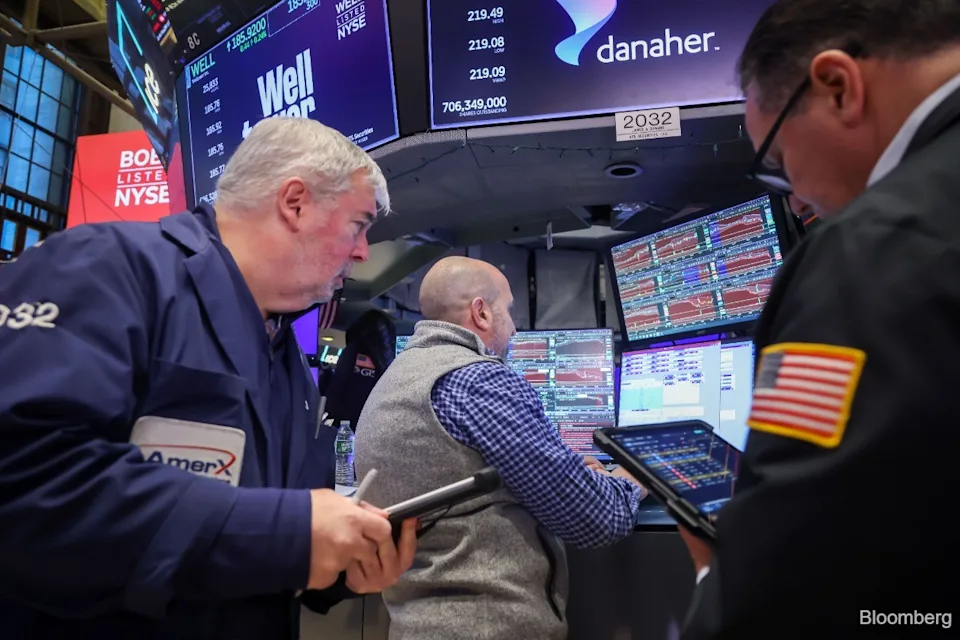
- S&P futures reportedly fell as traders priced in uncertainty.
- The U.S. dollar weakened amid concerns over policy stability.
- Gold rallied sharply as investors sought safety.
This reaction is textbook.
When institutional credibility is questioned, capital moves toward hard assets and defensive positioning.
Why This Is Bigger Than One News Cycle
This isn’t just about volatility for a day or two.
If central bank independence is materially weakened, the long-term implications could include:
- Higher inflation expectations
- Higher bond yields
- Increased currency volatility
- Reduced global investor confidence in U.S. assets
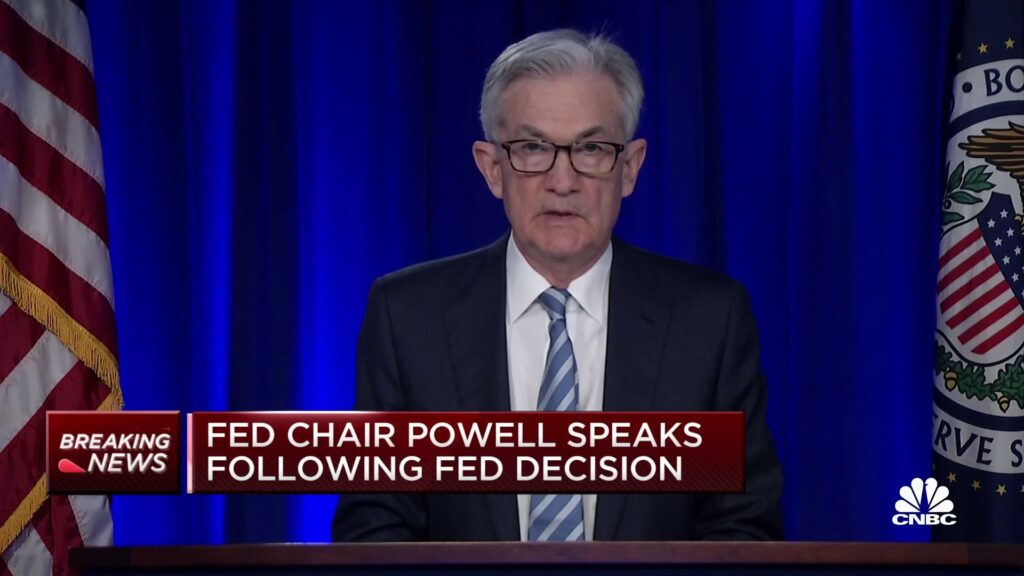
The U.S. dollar’s global reserve status depends partly on institutional strength. Even a perception of political interference can shift capital flows.
What Investors Should Consider
In moments like this, discipline matters more than prediction.
1. Preserve Capital
Avoid excessive exposure to highly speculative assets during institutional uncertainty.
2. Hedge with Hard Assets
Gold and silver often act as confidence hedges when systemic trust wavers.
3. Diversify Rigorously
Maintain asset allocation discipline across equities, bonds, commodities, and international exposure.
This is not necessarily a reason to panic.
But it is a reminder that political risk is real — even in developed markets.
The Bigger Question
If the Federal Reserve’s independence is challenged, what does that mean for future rate cycles?
Will markets demand a higher risk premium?
Will bond yields rise structurally?
Will the dollar’s dominance face pressure?
The answers won’t be decided overnight.
But the next few weeks could shape how investors perceive U.S. monetary governance for years.
In markets, trust compounds slowly — and erodes quickly.
This situation is no longer just about interest rates.
It’s about institutional credibility.
And that’s something markets take very seriously.