


Walk into an airport today and you’ll spot it instantly — shaker bottles, protein bars, high-protein yogurt cups. Ten years ago, protein supplements were the domain of hardcore bodybuilders. Today, they’re in college backpacks, office drawers, and even kitchen shelves at home.
This isn’t a niche fitness trend anymore. This is India’s protein awakening.
And the numbers suggest we’re only at the beginning.
From Gym Bros to Everyday India
Protein has moved from bodybuilding forums to mainstream grocery lists.
Mothers are choosing high-protein dahi. College students are adding whey to smoothies. Even global QSR chains like McDonald’s are experimenting with protein add-ons in India.

Why the shift?
Because 73% of Indians are estimated to be protein deficient. That’s not a fitness stat — that’s a public health reality. Combine that with rising awareness through social media, and suddenly protein isn’t about muscles — it’s about lifestyle, energy, and status.
Protein is becoming aspirational.
Why Now? The Perfect Storm
India consumes roughly 0.6x of recommended protein levels on average. At the same time, we are one of the youngest populations globally — and ironically, one of the most protein-deficient.
Now layer in three powerful forces:
- Rising disposable incomes
- Urban lifestyle aspirations
- Digital education through Instagram, YouTube, and fitness influencers
When awareness meets affordability, demand explodes.
Over the next 10–12 years, India’s protein ecosystem could unlock a ₹1–1.2 lakh crore opportunity. That’s not a small category expansion — that’s a structural consumption shift.
How Big Is the Opportunity?
Let’s break it down.
1. Protein Powders: Still Early Stage
India’s protein powder market stands at around ₹2,800 crore today, growing at nearly 18% year-on-year.
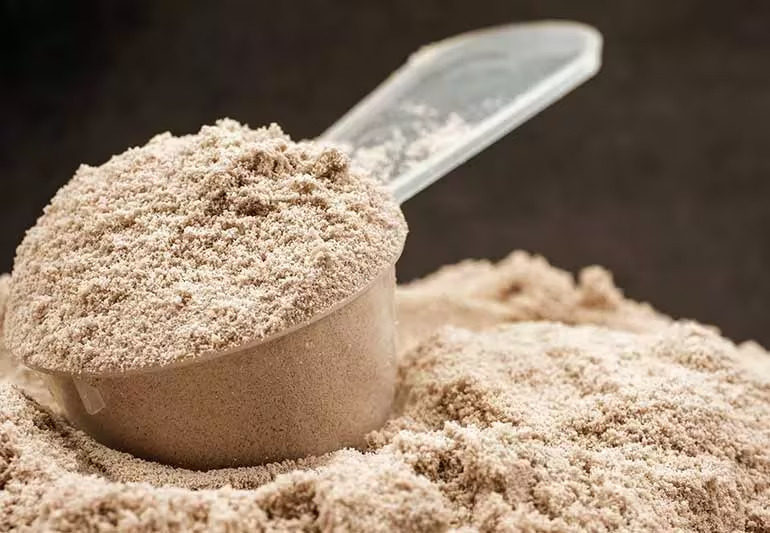
But here’s the real kicker: only 3–4% of Indian fitness users buy supplements. In the United States, nearly 85% of gym-goers consume protein products regularly.
That gap alone suggests 4–5x growth potential over time.
2. Protein Foods: The Real Explosion
The bigger opportunity lies in everyday protein foods — milk, yogurt, lassi, snack bars, fortified breads.
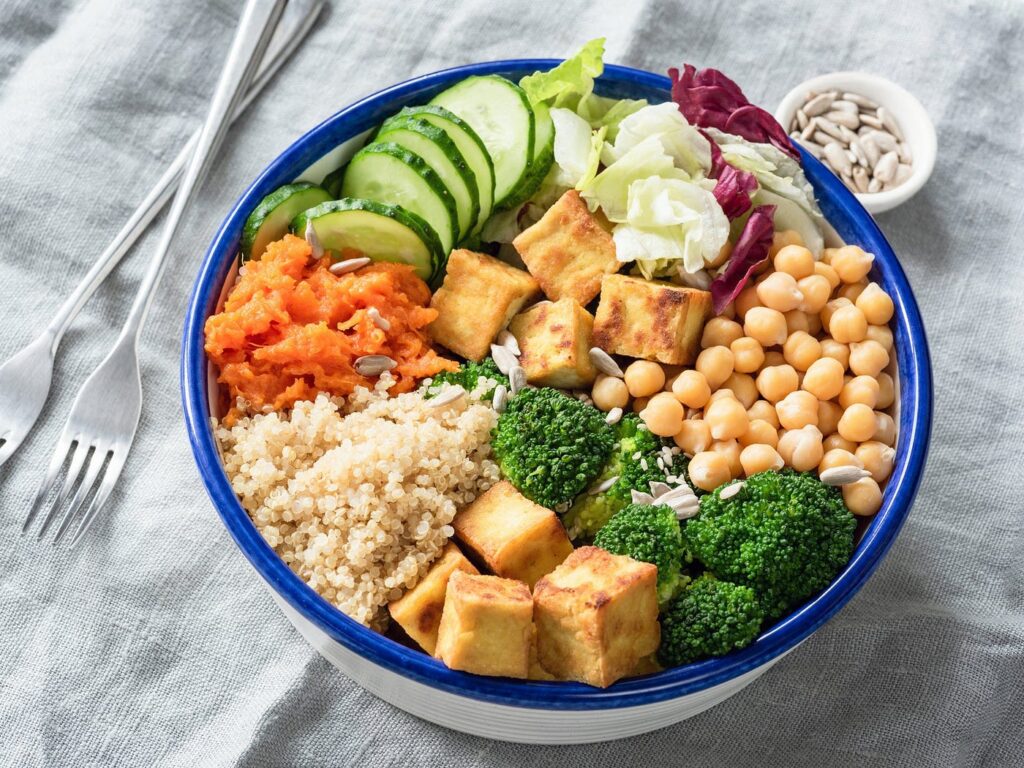
Brands like Amul have already launched high-protein milk and dahi variants. FMCG giants such as ITC Limited and Marico are actively acquiring and building functional food portfolios.
This segment alone could represent a ₹40,000–50,000 crore opportunity.
Unlike protein powders, this category doesn’t require habit change. It simply upgrades what people already consume daily.
3. Plant-Based Protein: The Fastest Grower
Plant-based protein is another quiet but powerful trend.
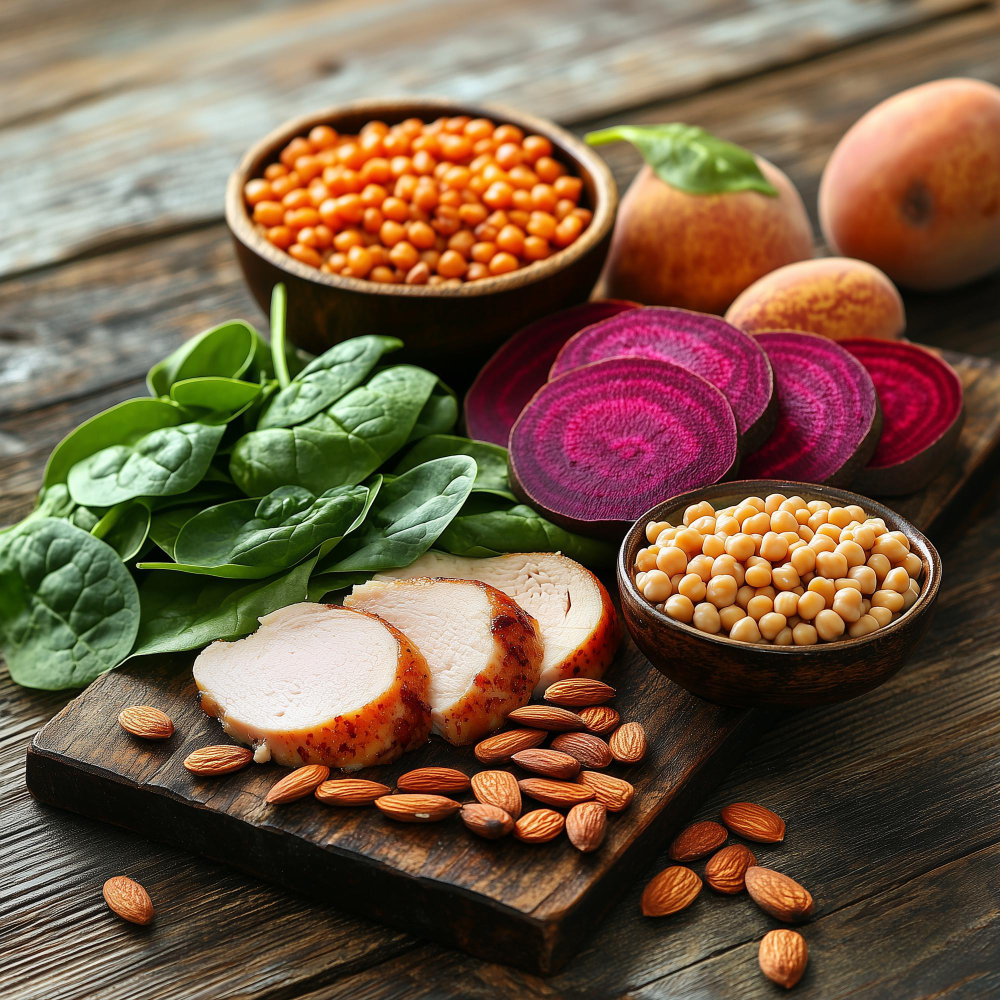
Globally and in India, demand is rising among vegan, lactose-intolerant, and environmentally conscious consumers. The segment is projected to grow at nearly 14–15% CAGR over the coming years.
As awareness deepens, plant protein could become a major pillar of the overall ecosystem.
The Gen-Z Effect
If millennials started the fitness movement, Gen-Z is scaling it.
Gen-Z accounts for roughly 40–43% of clean-eating spending. They snack 3–4 times a day. They care about ingredient lists. And yes, they care about packaging aesthetics.
For them, protein is not just nutrition — it’s identity.
Instagram made protein cool. Quick commerce made it convenient.
Imagine ordering a protein bar on Blinkit and receiving it in 10 minutes — as easily as chips or chocolate. That frictionless access changes buying frequency dramatically.
The Bigger Investment Angle
This is not just about supplements. It’s about:
- Dairy innovation
- Functional foods
- Clean-label snacking
- Premium FMCG expansion
- Health-focused branding
When a country with 1.4+ billion people starts upgrading its protein intake, the ripple effects hit agriculture, dairy, FMCG, logistics, and retail.
This is a long-duration consumption theme — not a quarterly fad.
Final Thought
India’s protein story isn’t loud. It’s not as flashy as EVs or AI.
But it’s structural.
A young population. A massive deficiency gap. Rising incomes. Social media influence. Quick commerce convenience.
Put that together, and you don’t just get a trend.
You get a silent revolution.