

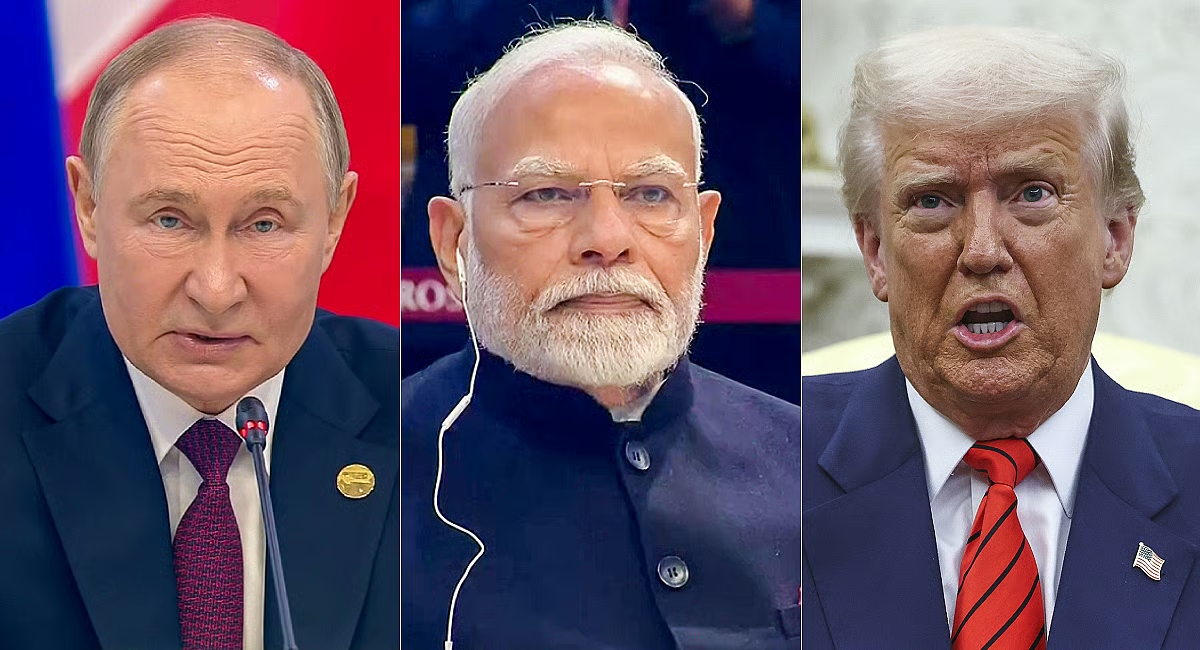
In a single trading session, Reliance Industries Limited lost nearly $12 billion in market value, with its stock falling 5%. The trigger? A tariff warning from former U.S. President Donald Trump over India’s continued purchase of discounted Russian oil.
What seemed like a geopolitical headline quickly turned into a market-moving event. Investors reacted sharply as India’s largest private refiner found itself caught in the middle of a global power struggle.
Why Did Reliance Stock Fall?
The sharp decline came after Trump threatened tariffs on countries purchasing Russian crude, accusing India of indirectly financing Russia’s war efforts. Since Reliance is one of India’s biggest oil refiners and a key buyer in the global crude market, it became an immediate focal point.
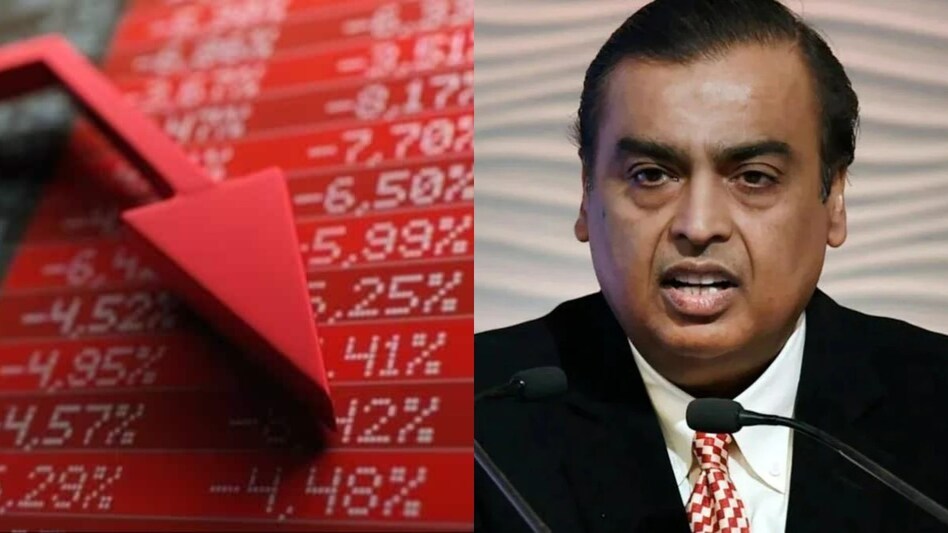
This marked Reliance’s biggest single-day drop since April 2025, when the stock had previously fallen 7.5%. The market reaction clearly shows that political risk is no longer abstract — it is very real and priced instantly.
Confusion Over Russian Oil Imports
Adding to the uncertainty were conflicting reports.
Reliance stated that it had not received Russian crude in the past three weeks and had stopped buying since November 20, 2025. The company also indicated that no Russian shipments were expected in January.
However, media reports suggested that at least three tankers carrying Russian crude were heading toward Reliance’s Jamnagar refinery.
So what’s the truth?
The likely explanation is more nuanced. Reliance may be sourcing limited volumes from non-sanctioned Russian suppliers for its domestic refining operations while avoiding transactions with sanctioned producers. This allows operational flexibility while staying within regulatory boundaries.
The Bigger Picture: Why Russian Oil Matters
Russian crude has been available at a 15–20% discount compared to other global suppliers. For large refiners, this translates into billions of dollars in savings annually and significantly stronger refining margins.
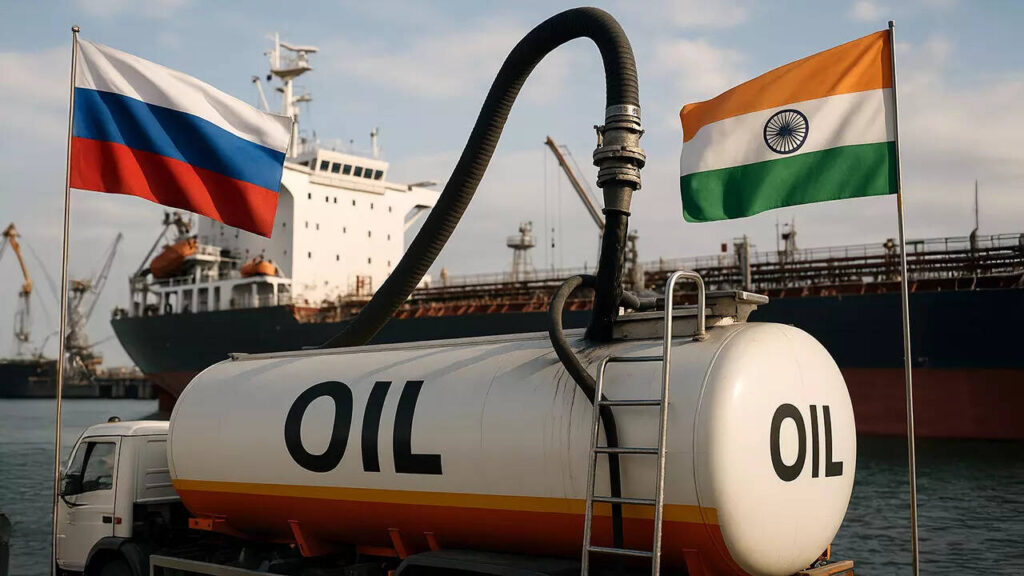
However, India has already reduced its dependence. In December 2024, imports reportedly dropped to around 1.2 million barrels per day — a three-year low. From peak levels, Russian imports are down nearly 40%.
Still, even reduced volumes matter when pricing advantages are this significant.
Caught Between Economics and Diplomacy
This situation highlights a broader dilemma: Should India prioritize cheaper energy imports or maintain stronger trade alignment with the United States?
For refiners like Reliance, discounted crude improves profitability. But geopolitical tensions introduce risks such as tariffs, sanctions, and regulatory complications. Political developments now directly impact refining margins and investor sentiment.
What This Means for Investors
First, political risk has entered the valuation equation more prominently. Energy companies with global exposure are vulnerable to diplomatic friction.
Second, if Indian refiners are forced to completely stop Russian oil purchases, they may need to switch to higher-cost alternatives. That could pressure margins in the short term.
However, it’s important to remember that Reliance is not just an oil refining company. Its diversified business model includes telecom (Jio), retail operations, and new energy initiatives. Oil and gas remain significant, but they are not the only growth drivers.
The recent 5% correction appears to be a knee-jerk reaction driven by uncertainty rather than structural weakness. Long-term investors may want to monitor policy clarity and supply adjustments before making decisions.
Final Thoughts
The $12 billion sell-off underscores how quickly geopolitics can reshape market narratives. Energy security, global alliances, and corporate strategy are now tightly interconnected.
For investors, the key question remains: Is this temporary political noise, or the beginning of a longer-term shift in global oil trade dynamics?
The answer will determine whether this dip becomes a buying opportunity — or a warning sign.